What Is Occupational Therapy? A Simple Guide
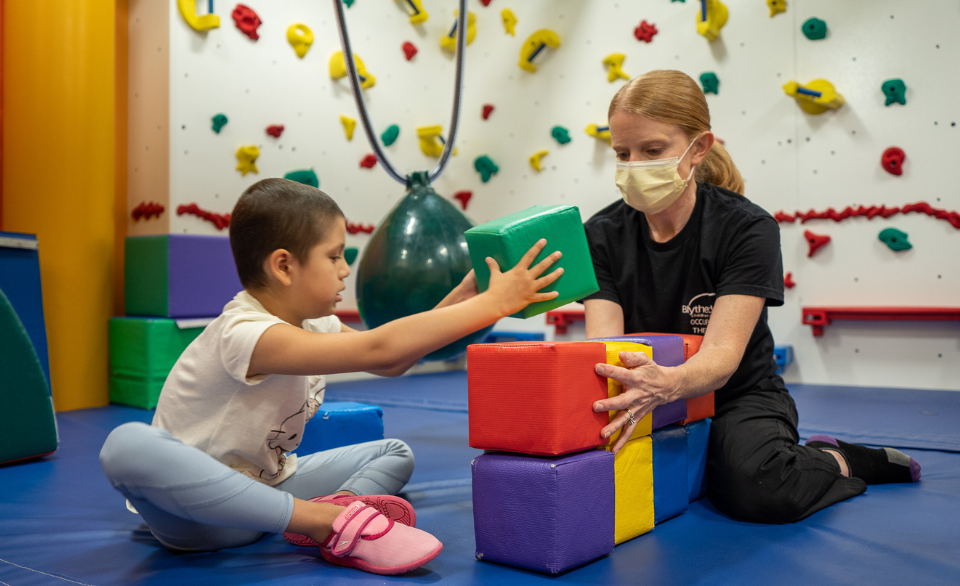
If you’ve ever wondered what is occupational therapy, you’re not alone. Many people confuse it with a job-related skill or a workplace program. In reality, occupational therapy is a healthcare profession that helps individuals of all ages perform daily activities with confidence, independence, and improved quality of life.
From children with developmental delays to adults recovering from an injury or managing a disability, occupational therapy offers tailored support. In this guide, we’ll break down what it is, how it works, and why it can make a life-changing difference.
Understanding Occupational Therapy
Occupational therapy focuses on enabling people to participate in meaningful activities—whether at home, school, or work. The word “occupation” here doesn’t just mean a job; it refers to anything you need or want to do in your daily life.
An occupational therapist works with clients to improve physical, cognitive, sensory, and emotional skills. This might include helping a child with fine motor skills, supporting an adult to recover after surgery, or guiding an elderly person to maintain independence in daily living.
At Communicare Education, expert therapists create personalized plans to help clients develop essential life skills, boost confidence, and achieve greater independence.
Key Areas of Occupational Therapy
Occupational therapy isn’t one-size-fits-all—it’s adapted to the needs of the individual. Here are some common areas where it can help:
-
Skill Development
From handwriting improvement to self-care routines, occupational therapy supports skill development for everyday living. This is especially important for children facing developmental challenges or learning difficulties. -
Remedial Therapy
Remedial therapy addresses specific skill gaps or challenges. It’s often used to help children with learning disabilities or adults who have lost abilities due to injury or illness. -
Speech Therapy
While speech therapy focuses specifically on communication skills, it often overlaps with occupational therapy. Together, they help individuals express themselves more clearly and confidently. -
Music Therapy
Music therapy uses rhythm, melody, and sound to stimulate brain function, reduce anxiety, and improve coordination. Occupational therapists may incorporate music therapy techniques to make sessions more engaging and effective. -
Therapy for Sensory Processing
Some individuals, especially children with autism, may have difficulty processing sensory information. Occupational therapy helps them respond to sensory input in a balanced and functional way.
Who Can Benefit from Occupational Therapy?
You might think occupational therapy is only for people recovering from injuries—but it’s much broader. It can help:
- Children with developmental delays or learning disabilities
- Individuals with autism spectrum disorder
- Stroke survivors regaining daily living skills
- Elderly people seeking to maintain independence
- Adults recovering from surgery or injury
- People facing mental health challenges affecting daily activities
At Communicare Education, therapy programs are customized to meet unique needs, ensuring each client receives the right guidance and care.
Benefits of Occupational Therapy
The benefits of occupational therapy go beyond physical improvement. Clients often experience:
• Greater independence in daily life
• Improved confidence and self-esteem
• Better coordination and mobility
• Enhanced social and communication skills
• Reduced stress and anxiety through creative therapies like music therapy
Whether it’s a child learning to dress themselves or an elderly person mastering safe kitchen use, these victories make a real difference.
Occupational Therapy at Communicare Education
Communicare Education offers a holistic approach to therapy, combining occupational therapy with related services like speech therapy, remedial therapy, and music therapy. Each plan is designed to target skill development while making the process engaging and empowering.
Their team understands that every individual learns and grows differently. By blending therapeutic techniques with patience, creativity, and care, they help clients achieve their full potential.
Final Thoughts
Now that you understand what is occupational therapy, it’s clear that it’s about much more than rehabilitation—it’s about enabling people to live their best lives. From building skills to fostering independence, occupational therapy empowers individuals to thrive in their personal, academic, and professional journeys.
If you or someone you know could benefit from occupational therapy, Communicare Education can guide you every step of the way.