Beyond Exercise: The Hidden Benefits of Movement Therapy for Special child
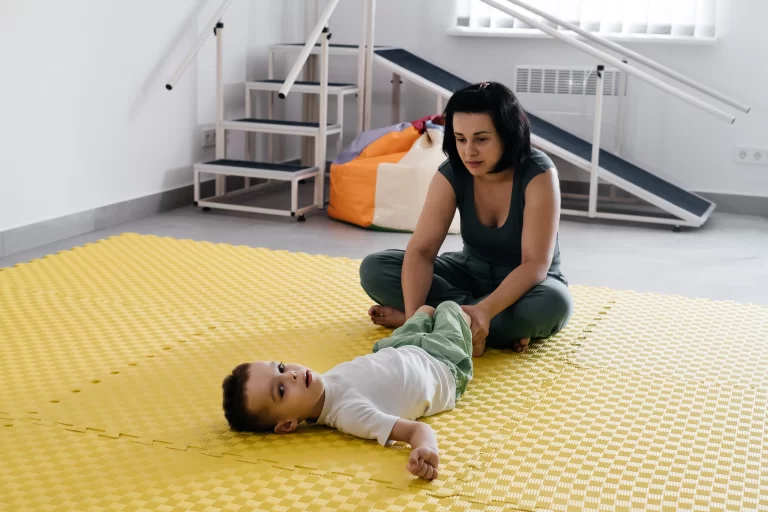
Movement Therapy: Unveiling Hidden Benefits for Special Children
When we hear “movement therapy,” the mind often jumps to physical exercise routines or occupational therapy targets. But for a special child, movement therapy encompasses so much more — it’s a bridge between body, mind, and developmental potential. At Communicare Education, we see movement therapy not just as a tool for physical wellness, but as a transformative approach that supports Special Education, aids children with ADHD, and complements broader therapy programs. In this post, we’ll explore the hidden benefits of movement therapy and why it belongs at the core of holistic development.
What Is Movement Therapy?
This is (also called movement-based intervention or therapeutic movement) refers to structured, purposeful movement designed to stimulate neurological, sensory, motor, and cognitive systems. Unlike standard exercise, it’s not about repetition or athletics, but about guided movement tailored to each child’s needs.
In the context of special education, movement therapy may include:
- Rhythmic exercises (e.g. dancing, drumming, patterned walking)
- Gross motor circuits (e.g. obstacle courses, crawling, climbing)
- Sensory-motor tasks (e.g. balance boards, proprioceptive activities)
- Mind-body integration (e.g. yoga stretches, mindful movement)
These activities are adapted based on the child’s abilities, challenges, and therapeutic goals.
Hidden Benefits Beyond Physical Fitness
While improved strength, flexibility, and coordination are obvious outcomes, movement therapies offers deeper, often overlooked, benefits:
1. Enhanced Brain Connectivity and Neuroplasticity
Engaging the body in novel movement patterns stimulates neural pathways and encourages neuroplastic growth. For children with developmental delays, autism, or ADHD, movement therapy can help the brain form new connections that support learning, self-regulation, and sensory integration.
2. Better Sensory Processing and Regulation
Many special children struggle with sensory overload or under-responsiveness. Movement therapy helps them tune their vestibular (balance) and proprioceptive (body-in-space) systems. Over time, they may become more confident in movement, less reactive to sensory triggers, and better able to focus.
3. Improved Attention and Executive Function
Movement requires planning, sequencing, and inhibition of impulses. These are precisely the skills children with ADHD often find challenging. Regular movement therapy can strengthen executive function: better focus, working memory, and cognitive flexibility.
4. Emotional Self-Regulation and Stress Reduction
Movement triggers neurochemicals (like endorphins, serotonin) that reduce stress and anxiety. For children prone to emotional dysregulation, movement therapy can be a safe, nonverbal outlet for feelings. It can also nurture greater emotional awareness and resilience.
5. Social & Communication Skills
Many movement therapy sessions are done in small groups or pairs. Children learn turn-taking, mirroring, following cues, nonverbal expression, and cooperative movement tasks. For those in Special Education settings, this can translate to improved social engagement in classrooms or therapy groups.
6. Motivation, Self-Esteem & Autonomy
As children master new movements and see progress, they gain confidence. Movement therapy encourages them to try, fail, adjust, and succeed — a practice in resilience. That sense of competence spills over into other areas: academic tasks, therapy participation, and daily life routines.
How Communicare Education Incorporates Movement Therapy
As an institution dedicated to inclusive learning and therapeutic support, Communicare Education embeds movement therapy in its curriculum and therapy models. Here’s how:
- Individualized Movement Plans: Every child receives a tailored movement plan based on assessments by therapists, educators, and physiotherapists.
- Integrated Sessions: Movement is woven into academic and therapy sessions — e.g. math lessons taught through stepping games, vocabulary via movement sequences, sensory breaks mid-class.
- Group Movement Labs: Children engage in group dance, circle-movement games, rhythmic clapping, and cooperative obstacle courses to build social, motor, and emotional skills.
- Progress Tracking & Feedback: We monitor improvements not just in physical metrics, but in behavior, attention, communication, and emotional regulation — to assess the ripple effects of movement therapy.
Parental & Educator Training: We empower parents and teachers with simple movement ideas they can use at home or in classrooms, so the benefits of movement therapy continue beyond the walls of Communicare Education.
Practical Tips for Parents & Educators
If you’re considering movement therapy (or already using it), here are suggestions to get maximum benefit:
- Start Small & Consistent
Even 5–10 minutes of structured movement 2–3 times a day can be powerful. Consistency matters more than duration. - Make It Playful & Child-Led
Let children experiment with movement. When they choose or co-create movement tasks, buy-in increases and outcomes improve. - Mix Novel and Familiar
Blend new movement patterns (e.g. hop-skip patterns) with familiar ones. Novelty stimulates brain growth; familiarity builds confidence. - Embed Cognitive Challenges
Add memory, sequencing, or inhibition tasks within movement (e.g. “jump on red, freeze on blue, hop three times”) to stimulate executive function. - Observe & Adapt
Watch how the child responds: fatigue, overstimulation, frustration. Adjust intensity, duration, and complexity accordingly. - Collaborate with Therapists & Educators
Communicate movement insights across the child’s team — therapy goals, academic targets, and behavioral strategies should align.
Conclusion: Movement Therapy as a Gateway to Growth
In the world of special education and therapy, movement is often underrated. But as we’ve explored, movement therapy unlocks benefits far beyond physical fitness — it nurtures neural development, sensory integration, attention regulation (especially for ADHD children), emotional equilibrium, social skills, and confidence.
At Communicare Education, we passionately believe that every child deserves a chance to move, express, and grow. Our approach weaves movement therapy into learning, therapy, and daily routines — fostering holistic transformation, not just in motor skills, but in mind and spirit.
If you’re a parent, educator, or therapist intrigued by movement therapy, reach out to Communicare Education. Together, we can craft movement journeys that transform lives — one step, hop, and dance at a time.