Learning Disability: 10 Vital Signs Every Parent Should Never Ignore
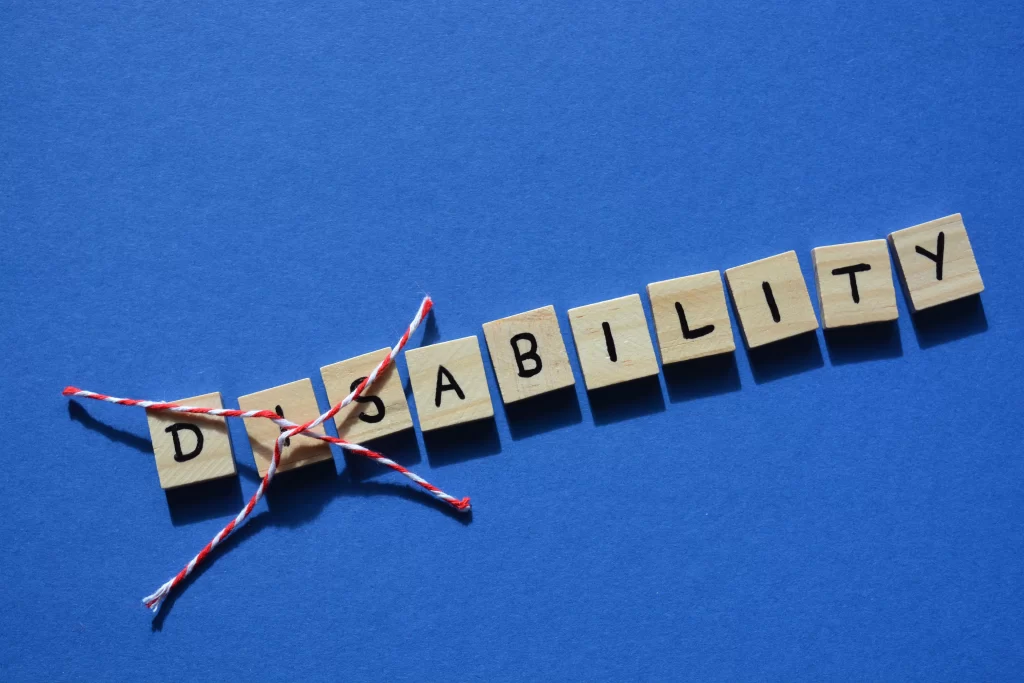
As a parent, recognizing early indicators of a learning disability is one of the most caring things you can do for your child’s future. When you act early, the right special education strategies and therapies can help your child thrive. At Communicare Education, we understand how crucial early detection is—this blog walks you through ten key signs to watch for, touching on ADHD, therapy, and more.
1. Persistent Difficulty Learning Basic Concepts
If your child repeatedly struggles with fundamental skills—like reading, number sense, or letter recognition—but seems otherwise bright, a learning disability might be at play. It’s not laziness; it’s how their brain processes information.
2. Trouble with Written Expression
Struggling to structure thoughts in writing, frequent spelling errors, or very limited vocabulary may signal a writing-based learning disability. Support from special education professionals can make a world of difference.
3. Short Attention Span, Especially in Quiet Tasks
Children with ADHD traits often find it hard to stay focused on reading or writing. If this inattention persists and impacts learning, it could indicate an underlying learning disability, not just distractibility.
4. Problems Following Multi-Step Instructions
A child who can’t follow simple, sequential directions—like “get your shoes, put them on, then grab your backpack”—may be struggling with processing speed or working memory, common in learning disabilities.
5. Difficulty with Math Concepts
Frequent confusion over mathematical concepts, like understanding place value, number sense, or basic math facts, could point to dyscalculia or related learning disability. Personalized therapy through Communicare Education can help.
6. Poor Reading Fluency or Comprehension
A child may be able to decode words slowly or read aloud haltingly, with little comprehension afterward. That kind of struggle is a red flag pointing to dyslexia or similar difficulties, a core learning disability to address.
7. Inconsistent Performance
Some kids may shine in one setting and sink in another—even within the same day. This variability can arise from fatigue, anxiety, or the uneven processing skills characteristic of a learning disability. Special education tools can bring much-needed consistency.
8. Avoidance of Learning Activities
If your child anxiously avoids homework, reading aloud, or classroom tasks they once enjoyed, don’t dismiss it as defiance. It may stem from frustration tied to an undiagnosed learning disability. Gentle encouragement paired with supportive therapy often helps.
9. Trouble with Language—Verbal or Non-verbal
Parents might notice difficulty expressing thoughts verbally, misusing words, or misinterpreting nonverbal cues like facial expressions. These challenges may overlap with speech-language issues and indicate a complex learning profile requiring tailored support.
10. Emotional or Behavioral Changes
Sudden frustration, low self-esteem, or behavioral outbursts in academic or home settings can signal that learning feels overwhelming. ADHD and learning disabilities often co-occur with anxiety or emotional stress—so emotional therapy and compassionate special education are vital.
Why Early Detection Matters
Recognizing a learning disability early opens the door to targeted interventions—from individualized education plans (IEPs) in special education to supportive therapy strategies and ADHD-friendly approaches. Under the expert guidance of Communicare Education, parents and educators can craft a nurturing path tailored to the child’s strengths and needs.
How Communicare Education Can Help
At Communicare Education, our trained specialists assess learning profiles using a holistic lens. We connect children to appropriate special education resources, coordinate with families to introduce coping strategies, and recommend therapy that addresses both academic skills and emotional well-being. For kids showing ADHD tendencies, we integrate focus-enhancing tools and time-tested techniques to support attention and self-regulation.
Final Thoughts
If you’ve noticed one or more of the above signs in your child, trust your instincts. A learning disability doesn’t define your child—it’s a signal to engage with professionals who can empower them. With communities like Communicare Education behind you, your child can move from struggle to confidence, unlocking learning joy in the process.
Let’s not ignore the signs—let’s support brighter learning futures.