Setting Goals in Occupational Therapy
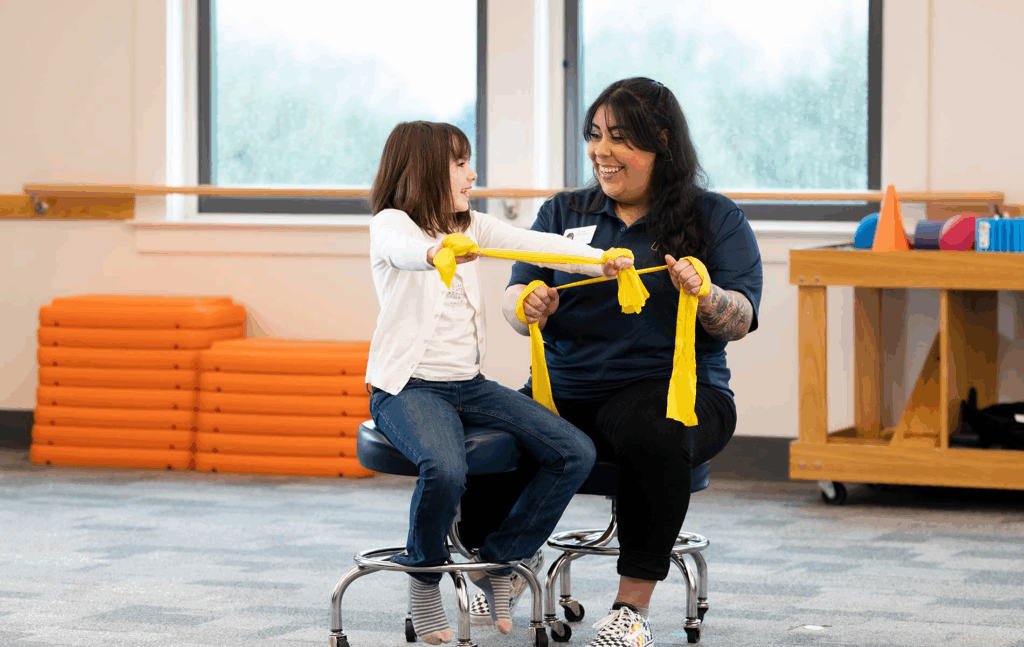
Occupational Therapy Goals: A Guide to Skill Development
Occupational therapy is a client-centered approach that helps individuals of all ages develop, recover, or maintain the skills needed for daily living and work. Setting occupational therapy goals is a crucial step in ensuring progress, whether the focus is on skill development, independence, or improved quality of life. At Communicare Education, therapists work closely with clients to create personalized and achievable targets that lead to meaningful results.
Why Setting Goals Matters in Occupational Therapy
In any form of therapy, having clear goals ensures that both the therapist and the client work in the same direction. For occupational therapy, these goals can range from regaining fine motor skills after an injury to improving self-care abilities in children with developmental challenges.
At Communicare Education, therapists believe that goal setting is not just about clinical improvement—it’s about empowering individuals to participate fully in life.
Steps to Setting Effective Occupational Therapy Goals
- Assess Current Abilities
The process starts with a thorough evaluation of the client’s strengths and challenges. This may involve physical assessments, interviews, and observation during daily tasks. - Define Specific Objectives
A vague goal like “improve hand function” is refined into something measurable, such as “button a shirt independently within three months.” - Incorporate Individual Interests
Goals are more motivating when they align with what the client enjoys. For example, incorporating music therapy for someone who loves music can make rehabilitation more engaging. - Break Down Larger Goals
Achieving small milestones keeps motivation high. For example, mastering basic remedial therapy exercises can be a stepping stone to more advanced skills. - Review and Adjust Regularly
As progress happens, goals are reviewed and updated to reflect new abilities or challenges.
Examples of Occupational Therapy Goals
For Children:
- Develop pencil grip and handwriting skills within 8 weeks.
- Improve attention span in classroom settings through structured speech therapy sessions.
For Adults:
- Increase upper limb strength to carry groceries independently.
- Learn stress management techniques to improve work performance.
At Communicare Education, these goals are customized to each individual’s lifestyle and needs.
Integrating Other Therapies into Goal Setting
Occupational therapy often works best when combined with other supportive approaches:
- Music Therapy: Enhances mood, improves motor coordination, and can support speech recovery.
- Remedial Therapy: Targets specific academic or cognitive skills, often beneficial for children.
- Speech Therapy: Assists in communication, swallowing, and language development.
By integrating these therapies into the client’s treatment plan, Communicare Education ensures a holistic approach to recovery and skill development.
How Communicare Education Supports Your Therapy Journey
Communicare Education is committed to creating a supportive environment where each client’s journey is respected and encouraged. Their therapists use evidence-based practices, innovative tools, and a compassionate approach to help clients achieve their occupational therapy goals.
From children with learning differences to adults recovering from injuries, Communicare Education tailors every therapy plan to meet unique needs. The result? Measurable progress, improved independence, and a better quality of life.
Final Thoughts
Setting clear, realistic, and personalized occupational therapy goals is the foundation of success in any therapeutic journey. With the right guidance, these goals can transform daily challenges into achievable milestones.
If you’re ready to take the next step in your therapy journey, Communicare Education can help you set meaningful goals, track progress, and celebrate every victory along the way.