Common Symptoms of Speech Disorders You Should Know
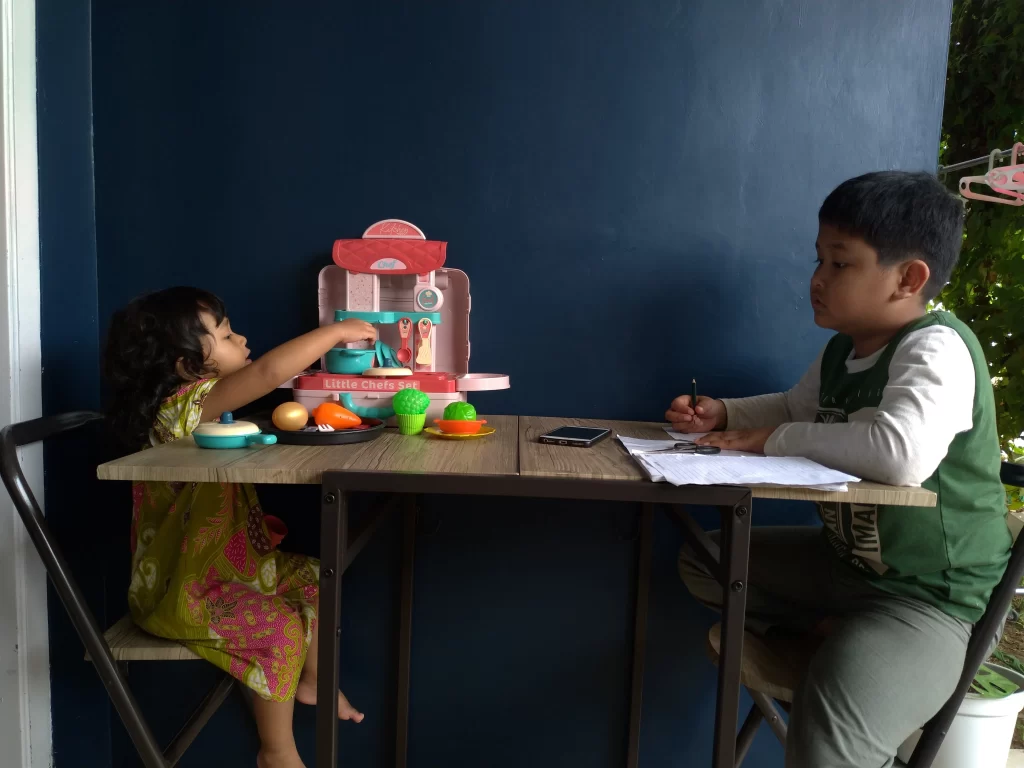
Common Speech Disorder Symptoms You Should Know
At Communicare Education, we understand the concerns parents face when a child shows early signs of communication challenges. Recognizing speech disorder symptoms early on is the first step toward empowering special children with the right support. Whether a child also has ADHD, a learning disability, or attends a center for learning disorders, awareness of these signs makes all the difference in early intervention, therapy, and overall development.
What Are Some Common Speech Disorder Symptoms?
Below are several typical symptoms that could signal a speech disorder:
-
Delayed Speech Development
When children lag behind peers in speaking their first words or forming sentences, it may be more than just normal variability. Even in special children school settings, lingering delays warrant attention. -
Stuttering or Frequent Pauses
Repeating or prolonging sounds and words—especially when consistent—could indicate a fluency disorder. -
Difficulty Forming Sounds
Substituting, omitting, or distorting sounds (like saying “wabbit” instead of “rabbit”) may be signs of articulation issues. -
Limited Vocabulary Use
Struggling to express thoughts, describe events, or hold a conversation is often tied to underlying language comprehension challenges. This is a frequent concern at special needs schools, where individualized learning plans help bridge gaps. -
Trouble Organizing Language
If a child finds it hard to follow story sequences or answer questions clearly, expressive language disorder may be at play. -
Persistent Loudness or Monotone Speech
Speech that lacks varied tone or stays unusually quiet/quiet may hint at social communication difficulties.
These symptoms can manifest in children who attend learning-disability-focused environments, such as a center for learning disorder, or those receiving support for ADHD within special education settings. Therapy at a school like Communicare Education offers targeted strategies to address each issue.
Why Early Detection Matters
Catching speech disorder symptoms early opens doors to timely therapy, giving children a better shot at progress. At Communicare Education, our warm, nurturing style blends classroom learning and therapeutic interventions to support communication milestones. With individual attention and empathy deeply embedded in our philosophy, we tailor support so every child can flourish.
How Communicare Education Supports Children
- Personalized Therapy Plans: Whether it’s a phonetic challenge or expressive language delay, our skilled therapists design sessions that are both fun and effective.
- Collaborative Special Education Approach: Our educators, therapists, and families work together—especially essential for children with ADHD or learning disabilities—to ensure consistent progress.
- Inclusive, Supportive Environment: As the best special needs school in Mumbai, serving areas like Powai and Thane, Communicare Education offers a safe place where each special child’s voice is heard and nurtured.
- Holistic Curriculum Integration: Language development is woven into daily activities, social skills learning, and cognitive exercises—creating a rich, supportive atmosphere.
Tips for Parents and Caregivers
- Observe and Note Patterns: Keep track of specific speech challenges—what you hear, how often it occurs, and in what situations.
- Seek Expert Help Early: Don’t wait. Reach out to specialists, whether through your regular doctor or schools like Communicare, that specialize in speech therapy and have experience with learning disability contexts.
- Stay Involved: Attend workshops or therapy sessions, engage with educators, and ask questions to build your child’s confidence and progress.
- Leverage Community Resources: Centers focused on special children school and learning disability are invaluable partners. Your involvement strengthens the support network.
Conclusion
Understanding the common speech disorder symptoms doesn’t have to be overwhelming. With early detection and tailored intervention—like the exceptional support offered at Communicare Education—your child can unlock their unique potential. Through empathetic care, thoughtful therapy, and a community built on inclusivity, every voice has a chance to be heard.
Remember: Whether navigating ADHD, seeking a center for learning disorder, or exploring special education options, recognizing symptoms is the first step toward growth and empowerment.